
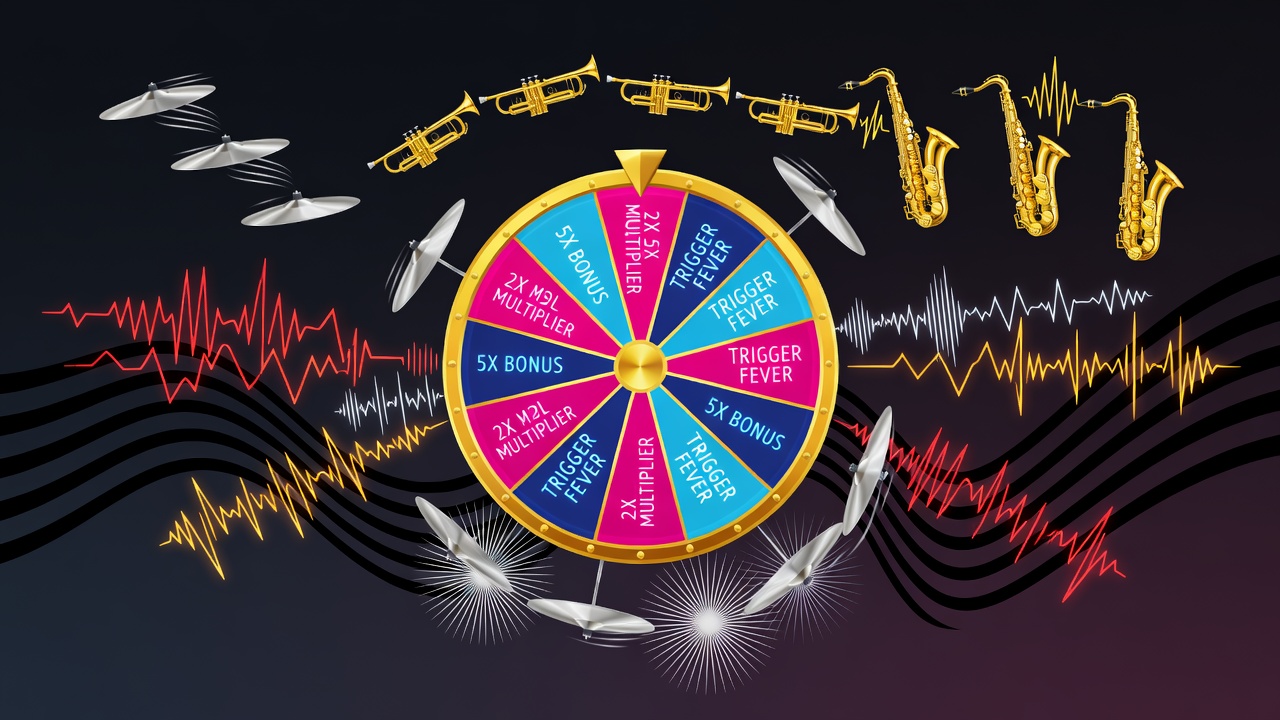
A wheel spinning to a bassline is not a new idea, but pairing that spin with a genuine disco arrangement changes how the entire experience lands. Most game soundtracks fade into background noise within minutes. This one does not. The rhythm section stays present, the horns punch through at the right moments, and the multiplier segments feel choreographed rather than randomly triggered.
That distinction matters more than it might seem. A well-built funky time review has to account for two separate systems working in tandem: the mechanical structure of the wheel and bonus rounds, and the audio layer that gives each spin its character. For readers comparing platforms before committing time or money, a detailed funky time review such as the one available through funky time review offers a useful reference point on how the visual and audio elements interact during extended play sessions. The soundtrack is not decoration here - it is functionally tied to pacing.
What follows breaks down the groove construction, the standout musical moments, and the rhythmic logic behind why this title holds attention longer than most wheel-based formats. The goal is a practical, track-by-track and mechanic-by-mechanic explanation rather than a surface-level impression.
What Makes the Groove Work
Groove, in a musical sense, refers to the interlocking pattern between bass, drums, and rhythmic accents that creates a sense of forward motion without needing melodic resolution. In this title, that groove is built on a classic four-on-the-floor disco pulse, layered with syncopated bass lines that sit slightly behind the beat - a technique borrowed directly from late-1970s funk production.
The Bassline as Structural Anchor
The bass carries more weight than the percussion in most segments. It repeats short, memorable phrases that loop under the wheel animation, giving players an audio cue that mirrors the visual spin cycle. This repetition is deliberate: it keeps the track and time review functionality intuitive, since players begin to associate certain bass patterns with specific bonus triggers.
Percussion Layering and Tempo Consistency
Hi-hats and snare accents shift subtly depending on which segment of the wheel is active, but the underlying tempo rarely changes. This consistency is what separates a well-produced soundtrack from one that feels chaotic during high-stakes moments. A steady tempo lets a rhythmic time review focus on texture and instrumentation rather than fighting against erratic pacing.
Why Groove Retention Matters for Player Experience
Groove retention - the ability of a track to hold rhythmic identity across many repetitions - directly affects how long a session feels enjoyable rather than repetitive. Tracks that lose groove after a few minutes tend to push players toward muting audio entirely, which undercuts the intended atmosphere.
Rhythm Mechanics Behind the Wheel
The wheel's spin duration, deceleration curve, and segment landing all sync to rhythmic cues rather than arbitrary timing. This is where a time review funk analysis becomes genuinely technical: the audio engineers clearly built cue points that match musical downbeats, not just visual milestones.
Spin Timing and Musical Downbeats
Each spin cycle appears timed to resolve on or near a downbeat, reinforcing the sense that the outcome is part of the music rather than separate from it. This alignment is subtle but noticeable once a player pays attention to it across multiple rounds.
Bonus Round Rhythmic Shifts
When a bonus segment triggers, the rhythm section intensifies - added horn stabs, a faster hi-hat pattern, sometimes a brief key change. These shifts function as auditory reward signals, reinforcing excitement without needing flashing visuals to do all the work.
Silence and Space as Rhythmic Tools
Brief pauses before a big reveal use silence deliberately. This is a common technique in funk arrangement - the "drop" before a horn section returns - and it translates well into a gaming context where anticipation needs a moment to build.
- Downbeat-aligned spin resolution
- Layered percussion during bonus triggers
- Strategic silence before major reveals
- Consistent tempo across standard rounds
Standout Tracks Explained
Not every track carries equal weight. A handful stand out because of arrangement choices that go beyond generic funk pastiche.
The Main Theme's Horn Arrangement
The primary theme leans on a tight horn section - trumpet and saxophone trading short phrases over the bass groove. This arrangement echoes classic funk ensembles rather than synthesized approximations, giving the track a warmer, more organic feel than typical background loops.
The Bonus Round Anthem
A distinct track plays during major bonus triggers, built around a faster tempo and a call-and-response structure between synth and horns. This track functions almost like a chorus in a song - it is instantly recognizable and signals a shift in stakes.
Ambient Transition Loops
Shorter loops bridge the gap between the main theme and bonus segments. These are less flashy but critical for continuity; without them, the shift between calm and high-energy segments would feel abrupt.
Comparing Groove Styles Across Segments
A useful groove and time review approach involves comparing how rhythm changes across different game states rather than judging the soundtrack as one static piece.
Standard Spin vs. Bonus Spin Contrast
Standard spins use a laid-back, mid-tempo groove designed for extended listening. Bonus spins push tempo and instrumentation density upward, creating clear contrast that helps players track game state through sound alone.
Multiplier Segment Audio Cues
Higher multiplier zones often introduce a distinct rhythmic accent - a specific drum fill or bass slide - that plays only in those segments. This creates a subtle audio hierarchy correlating rhythm complexity with reward potential.
Consistency Across Extended Sessions
Over long play sessions, the soundtrack avoids the repetitive fatigue common in many wheel-based games by rotating variations of the main groove rather than looping a single unchanged track.
How This Holds Up Against Other Funky-Themed Titles
Funk-themed game audio is not rare, but execution quality varies widely. Many titles use generic loops that reference funk stylistically without capturing its rhythmic complexity.
Production Quality Compared to Genre Peers
This soundtrack uses layered instrumentation - real-sounding horns, textured bass, varied percussion - rather than a single repetitive synth loop. That production depth is immediately apparent in any funky track review that places it alongside similar titles.
Where It Falls Short
The main theme, while strong, repeats slightly too early in extended sessions for listeners who prefer constant novelty. A wider variation pool would strengthen long-session engagement further.
Overall Genre Positioning
Within its category, this title sits near the top for audio-visual synchronization, even if a few competitors offer marginally more varied track libraries.
Practical Takeaways for New Players
Understanding the audio design improves how new players approach the game, since rhythm cues often signal what to expect before the visual confirmation appears.
Listening for Bonus Cues
Players who pay attention to shifts in horn intensity or added percussion layers can often anticipate bonus triggers a half-second before the visual reveal - a small edge that improves engagement.
Adjusting Audio Settings for Best Experience
Playing with full audio enabled is strongly recommended, since muting the soundtrack removes much of what separates this title from generic wheel-spin formats.
Session Length Recommendations
Given the groove retention strengths and minor repetition weaknesses noted above, sessions of moderate length tend to preserve the most enjoyable listening experience.
Question?
Does the soundtrack change based on wager size or only on game state? The audio shifts are tied to game state - standard spins, bonus triggers, and multiplier zones - rather than wager amount, so the musical experience stays consistent regardless of stake level.
Question?
Is the funk style authentic or synthesized? The arrangement blends live-sounding horn and bass elements with digital production, aiming for an organic feel rather than a fully synthesized approximation of the genre.
Question?
Can the music be turned off without affecting gameplay mechanics? Yes, muting audio has no impact on wheel outcomes or bonus triggers, though it does remove the anticipatory cues that many players find useful.
Question?
How does the bonus round track differ from the main theme? The bonus track runs at a faster tempo with a call-and-response structure between synth and horns, creating a distinct sonic identity that signals increased stakes.
Question?
Is the repetition noticeable during long sessions? Slight repetition appears in the main theme after extended play, though transition loops and bonus variations help offset fatigue compared to titles with a single looping track.
Question?
Does the rhythm design offer any practical advantage while playing? Attentive players can sometimes anticipate bonus triggers through percussion and horn cues that arrive just before the visual confirmation, offering a minor but real engagement edge.